








Subtotal: $511.52


The cost per unit is then multiplied by the actual number of units produced in a given year to determine the annual depreciation expense. Amortization is similar to depreciation, which is the process of spreading the cost of a tangible asset over its useful life. Businesses use it to account for wear and tear, aging and outdated equipment. This helps them spread the cost of assets like buildings, vehicles and machinery over their useful lives. Both allow businesses to deduct the cost of an asset over its useful life, which can reduce taxable income and, as a result, decrease the amount of tax owed.
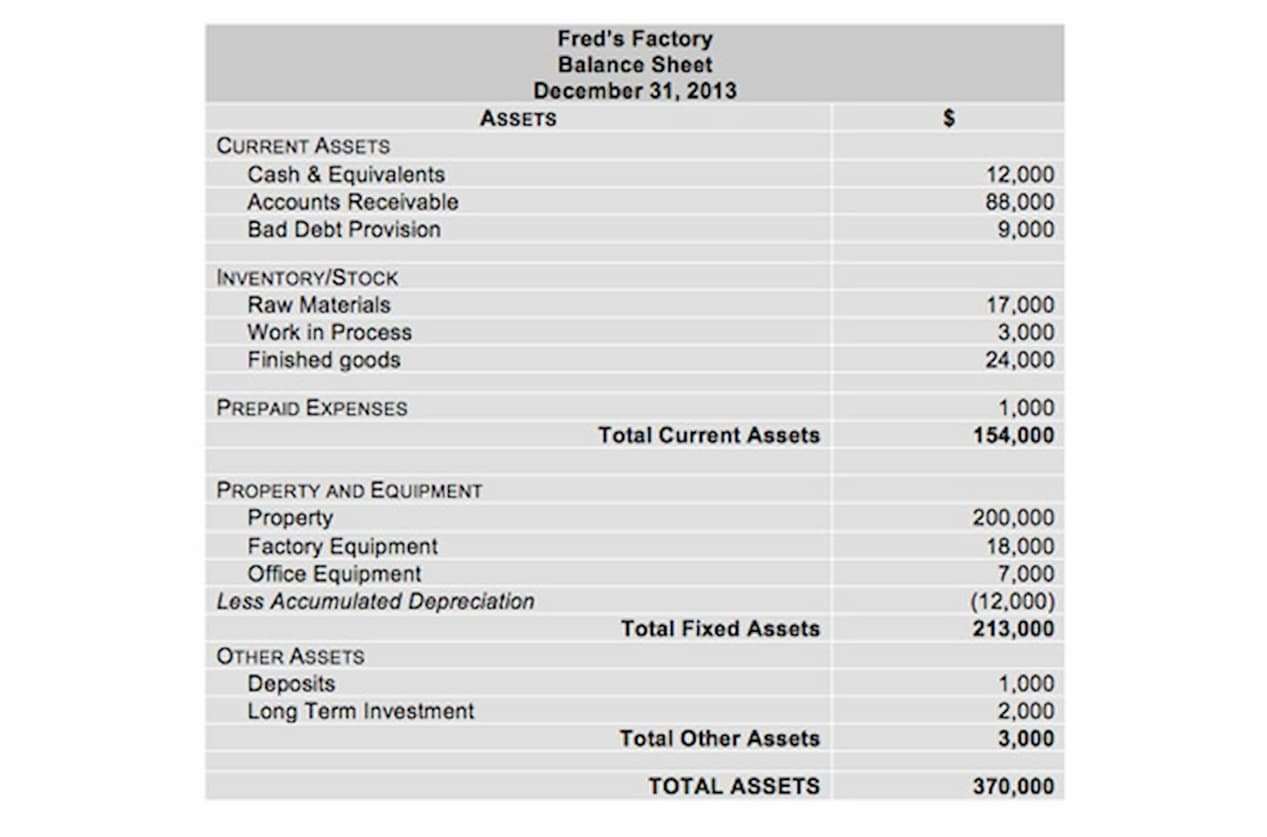
It is important to note that depreciation is not a cash expense, but rather an accounting expense that affects the financial statements. However, it can have an impact on cash flow as it reduces taxable income and may result in lower tax payments. The method in which to calculate the amount of each portion allotted on the balance sheet’s asset section for intangible assets is called amortization.

Our solution has the ability to record transactions, which will be automatically posted into the ERP, automating 70% of your account reconciliation process. Get instant access to video lessons taught by experienced investment bankers. Learn financial statement modeling, DCF, M&A, LBO, Comps and Excel shortcuts. Fraud poses a significant threat to amortize vs depreciate small businesses, often due to limited resources and oversight mechanisms.
With our assistance, you can ensure compliance, make informed financial decisions, and thrive in today’s complex economic landscape. Furthermore, amortization is primarily used for reporting purposes, such as in financial statements. It helps businesses accurately reflect the cost of intangible assets and their impact on profitability over time. By spreading the cost over the asset’s useful life, amortization provides a more accurate representation of the asset’s value and the corresponding expenses incurred. Unlike amortization which deals with intangible assets like patents or software licenses, depreciation relates primarily to physical goods susceptible to wear-and-tear.
This process can be better understood with an example – consider taking out a $200,000 mortgage for 30 years at an annual interest rate of 4%. Using an amortizing loan calculator reveals that you’d make monthly payments around $955 till the end date if maintaining consistency in repayment. Over time these installments chip away both your outstanding capital (principal) amount and accrued interests. The company will record an amortization expense of $1,500 annually for 10 years to account for the declining value of the patent. When it comes to managing finances, businesses often face the daunting task of handling big expenditures and their gradual impact on the bottom line. Two essential concepts that come into play are amortization and depreciation.
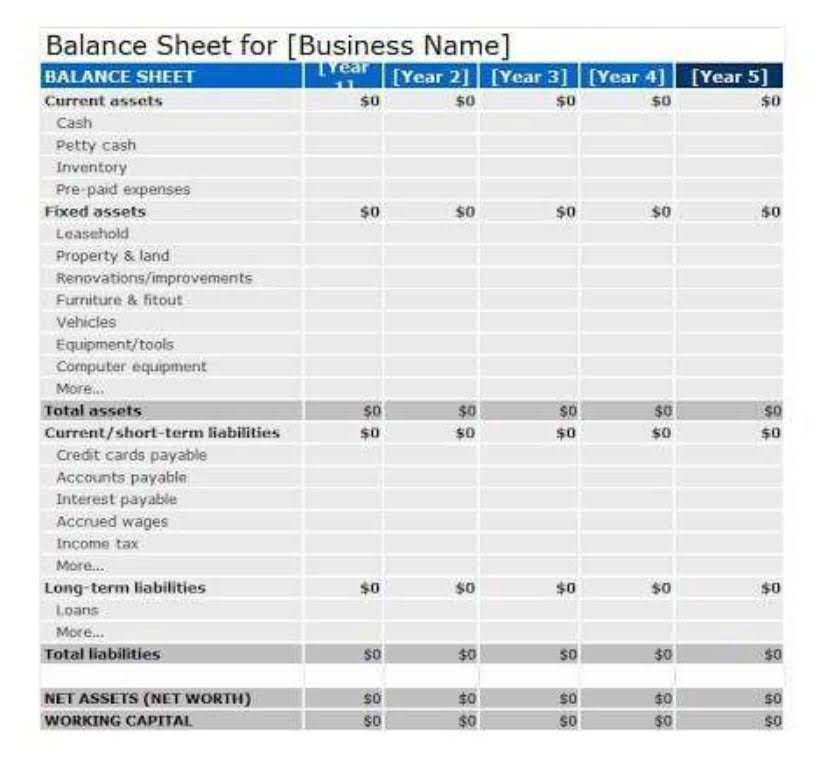
While book methods focus on long-term asset value and profit representation, tax methods are often used with the goal of optimizing a company’s cash flow by reducing tax liabilities in the short term. This dual approach can help ensure compliance and financial efficiency, but requires careful management to align both https://www.bookstime.com/ tax reporting and financial accounting. Businesses need to differentiate between tax and book amortization and depreciation for financial reporting and tax compliance. These methods distribute the cost of assets over their useful lives but serve different functions and adhere to distinct rules. Maintaining accurate records of depreciation and amortization isn’t just a best practice; it’s an absolute necessity for businesses. Accurate record-keeping ensures compliance with tax laws and accounting standards, and it also provides the data you need to make informed financial and managerial decisions.
This is also in line with the matching concept in accounts which provides that expenses are to be what are retained earnings charged in the books in the same accounting period in which the revenues they help generate are recorded. Under this method, the depreciation expense is calculated by taking twice the straight-line depreciation rate and applying it to the current book value of the asset. The asset’s book value is the asset’s original cost minus the accumulated depreciation. Like amortization, depreciation is used to spread out the cost of an asset over time, but it is only applicable to tangible assets.